Why Location Still Matters in Modern Whiskey Brands
Latest News
Why Place Still Matters in Irish Whiskey
In an industry increasingly focused on awards, exports, and global distribution, it can be easy to overlook one of the factors that has shaped whiskey for centuries: place.
Long before Irish whiskey became a billion-euro export category, distilleries were deeply connected to the towns and communities where they were founded. Their identity was shaped not only by the liquid they produced, but by the people, history, and environment that surrounded them.
Today, that connection remains just as important.
For consumers, it creates authenticity. For investors, it can help explain why certain brands stand out in an increasingly competitive market.
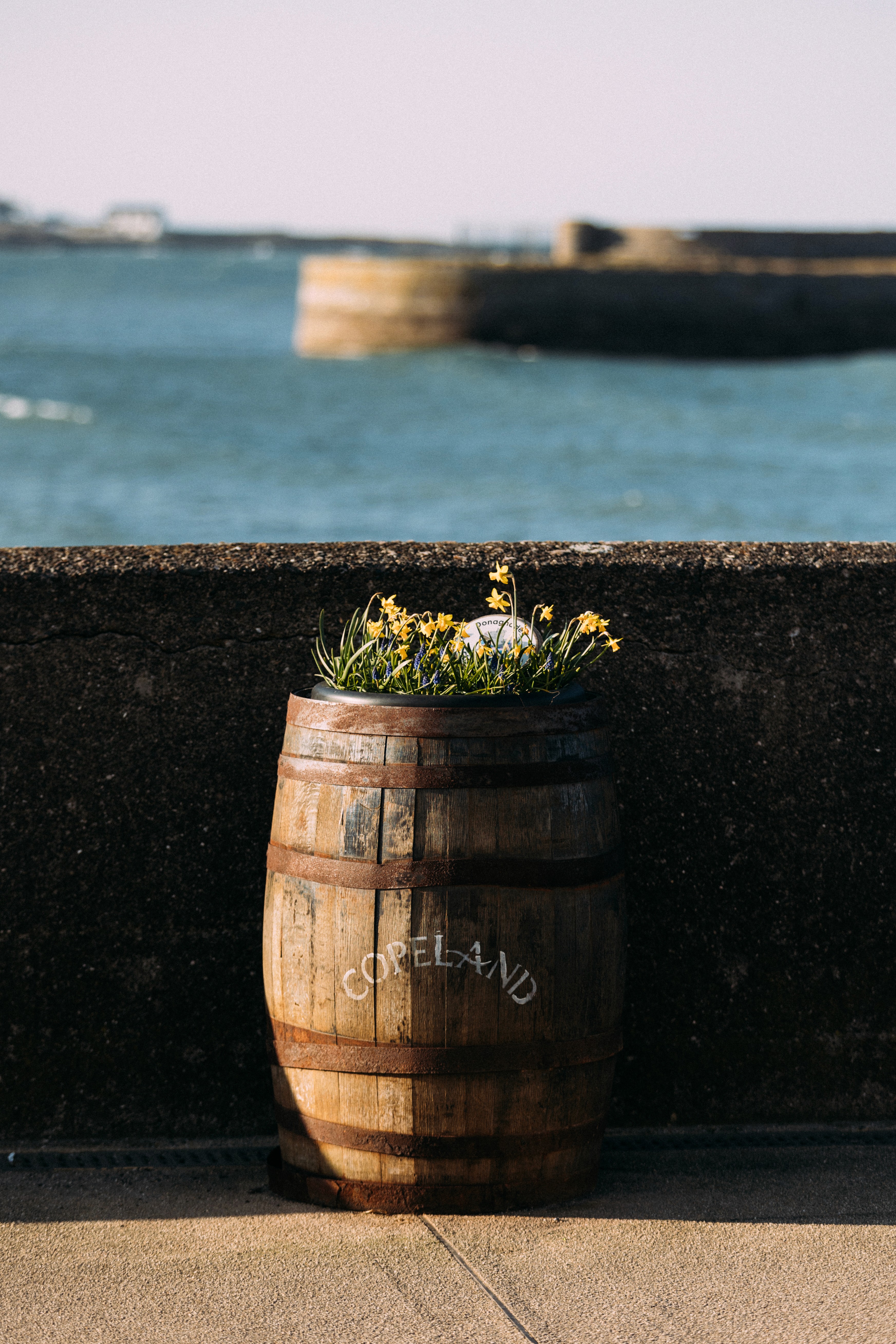
Copeland Distillery, based in the coastal town of Donaghadee in County Down, offers a strong example of how location continues to play a role in modern Irish whiskey.
A Distillery Built Around Its Surroundings
Donaghadee sits on Northern Ireland's east coast overlooking the Irish Sea.
For generations, it has been known as a working harbour town with strong maritime links, rich local history, and close connections to trade routes across the Irish Sea. The harbour itself remains one of the town's most recognisable landmarks and continues to shape its identity today.
When Copeland Distillery was established, it did not attempt to create an artificial brand story detached from its surroundings. Instead, it embraced the area's maritime heritage and coastal character.
That decision matters because authenticity has become increasingly valuable within the premium spirits market.
Consumers are becoming more selective about the products they buy. They want to understand where something comes from, who made it, and what makes it different from the hundreds of alternatives available on shelves.
The strongest whiskey brands are often those that can answer those questions clearly.
Why Location Matters More Than Many Investors Realise
When evaluating whiskey investment opportunities, most attention naturally focuses on production, maturation, awards, and demand.
All of these factors are important.
However, location often influences many of those elements indirectly.
Distilleries with a strong sense of place tend to build more distinctive brands. Distinctive brands tend to attract more consumer attention. Increased consumer attention can lead to stronger retail demand, greater visibility, and improved long-term market positioning.
In other words, place contributes to brand equity.
This is not unique to Irish whiskey. Some of the most recognisable names in the global spirits industry are closely associated with specific locations.
Think of:
Speyside in Scotland
Cognac in France
Kentucky in the United States
The location itself becomes part of the story.
Irish whiskey is increasingly following the same pattern as consumers look beyond established names and explore newer distilleries with genuine regional identities.
The Rise of Provenance in Premium Spirits
One of the most significant trends within the drinks industry over the past decade has been the growing importance of provenance.
Consumers increasingly want products with a clear origin and a credible story.
According to multiple global drinks industry reports, premiumisation continues to be driven by factors such as craftsmanship, authenticity, heritage, and local identity. These characteristics often command stronger customer loyalty than purely marketing-led brands.
For whiskey producers, provenance helps create differentiation.
A bottle becomes more than simply a spirit. It becomes connected to a place, a process, and a wider story.
This trend has benefited smaller distilleries across Ireland as consumers look beyond mass-market brands and explore producers with stronger local roots.
Donaghadee's Role in the Copeland Story
The connection between Copeland and Donaghadee extends beyond geography.
The distillery has become part of the town's modern identity, attracting visitors, supporting local tourism, and contributing to the area's growing reputation within Irish whiskey.
At the same time, the town itself continues to feature prominently in the brand's image.
The harbour, coastline, maritime history, and local community all contribute to the story that consumers encounter when they discover Copeland for the first time.
This creates something that many newer brands struggle to achieve: authenticity that feels earned rather than manufactured.
A Growing Global Audience
While Copeland's roots remain firmly in County Down, the brand itself has expanded well beyond Donaghadee.
Today, Copeland products are available across multiple international markets and continue to gain recognition through awards, retail distribution, and hospitality partnerships.
This combination of local identity and international reach is often a powerful formula for growth.
Consumers are drawn to authentic regional brands. Distributors are drawn to products with clear differentiation. Investors are drawn to businesses demonstrating genuine commercial momentum.
The most successful whiskey brands often sit at the intersection of all three.
Why Investors Should Pay Attention
Investors should never base decisions on branding alone. Factors such as production capacity, distribution, demand, and stock levels remain critical.
However, brand identity still matters.
The whiskey market is crowded. Hundreds of producers compete for shelf space, consumer attention, and market share. Distilleries that establish a distinctive identity often place themselves in a stronger position for long-term growth.
Location plays an important role in creating that identity.
When a distillery is genuinely connected to its surroundings, it creates a story that cannot easily be replicated by competitors.
That uniqueness can become a valuable asset over time.
Final Thoughts
Irish whiskey has always been connected to place.
Although today's market is increasingly global, consumers still value authenticity, heritage, and provenance. Distilleries that successfully combine those qualities with strong products and commercial growth often find themselves in a stronger long-term position.
Donaghadee may be a relatively small coastal town, but it has become an important part of the Copeland story.
As the brand continues to expand beyond Ireland, its connection to that location remains one of the factors that helps distinguish it within a crowded and competitive market.
For whiskey enthusiasts, it is part of the story behind the bottle.
For investors, it is a reminder that some of the strongest brands are often built on foundations that cannot be manufactured.